
Arrest Warrants in Lander County
Under NRS 171.106, a magistrate may sign an arrest warrant once sworn material shows probable cause that an offense triable in Lander County occurred and that the defendant committed it. A district attorney can seek a summons instead. Miss that court date, and a failure to appear can trigger warrant process later. The charge decides where the case begins. A Lander County Justice Court magistrate handles the initial complaint, misdemeanors, and the preliminary hearing stage. Felony trials and post-bindover matters belong to the Eleventh Judicial District Court. Start at the issuing court to confirm a personal record. Arrest and FTA bench warrants can share docket language. Ask the origin, case number, and current order.
Lander County Arrest Warrant Probable Cause
NRS 171.102 defines the complaint itself. It is a written statement of essential offense facts, sworn or declared under penalty of perjury. NRS 171.106 then supplies the probable-cause review. Together these provisions mark the legal start of an arrest warrant. They create no public Lander County search form. NRS Chapter 171 collects the complaint, probable-cause, warrant, and service provisions, and the Legislature's statute page lays them out in full.
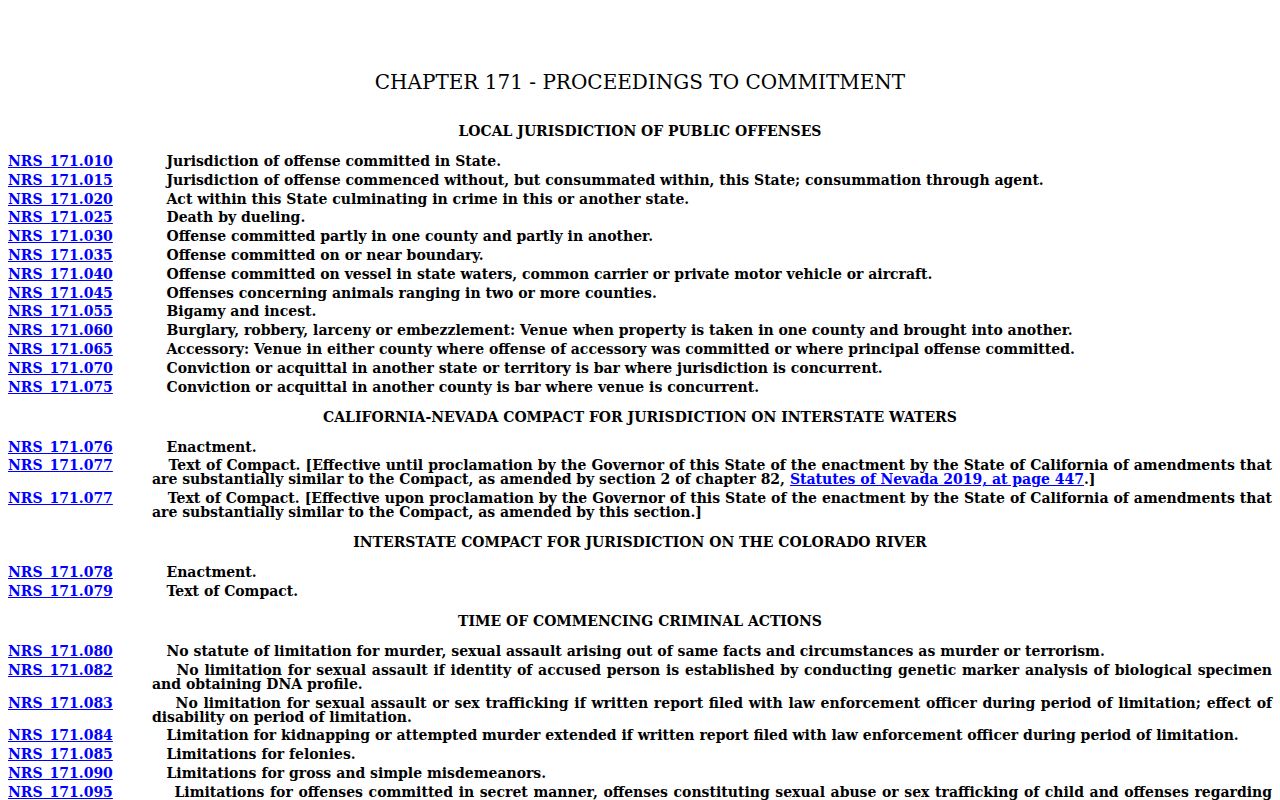
The statutory source is more reliable for required fields than a generic online description.
What a Lander County Arrest Warrant Contains
NRS 171.108 sets the required contents. The magistrate must sign a written warrant, which must identify the defendant or give a reasonably certain description. It states the issue date, place, and offense. It commands arrest and presentation before the nearest available magistrate, and every Lander County warrant must say whether it is a no-knock warrant.
| Identifier | Warrant and linked case number, if assigned. No local format was published. |
|---|---|
| Issuing authority | Justice Court magistrate or Eleventh Judicial District Court, based on case stage. |
| Offense | The stated offense and any NRS citation shown in the released record. |
| Command | Arrest and presentation before the nearest available magistrate. |
| Special field | No-knock designation where required by statute. |
| Return | Serving agency, execution date, custody record, or later recall status if released. |
A probable-cause affidavit or sealed indictment attachment can stay sealed in Lander County even when the docket event is public.
Lander County Arrest Warrant Courts
Argenta Township Justice Court covers the Battle Mountain area. Austin Township Justice Court covers Austin and Kingston. Both handle limited-jurisdiction matters and serve as the magistrate level for many Lander County felony cases before bindover. Felony trial, post-bindover, probation, and contempt work belongs to District Court.
| Stage | Local route | Question to ask |
|---|---|---|
| Complaint or initial probable cause | Argenta or Austin Justice Court as applicable | Was a warrant or summons issued? |
| Felony after bindover | Eleventh Judicial District Court | Who controls the current warrant status? |
| Service or execution | Sheriff or another authorized peace officer | Which agency holds the process? |
| Custody | Lander Sheriff's detentions | What are intake and bond instructions? |
The Nevada Judiciary hierarchy explains why one county can have several issuing levels.
Lander County Arrest Warrant Service
The Lander County Sheriff likely serves local warrants. The office names no fixed warrant squad and no rule making the Sheriff the only server. NRS 171.114 and related provisions let peace officers and other authorized officers serve process. Keep the serving agency and the issuing court separate when reading a record. After an arrest, Nevada procedure requires the person be brought before the proper magistrate without unnecessary delay. The court then sets bail or release conditions. The underlying case continues, so serving a warrant is not case closure. The Nevada Judiciary chart separates those roles by court level.
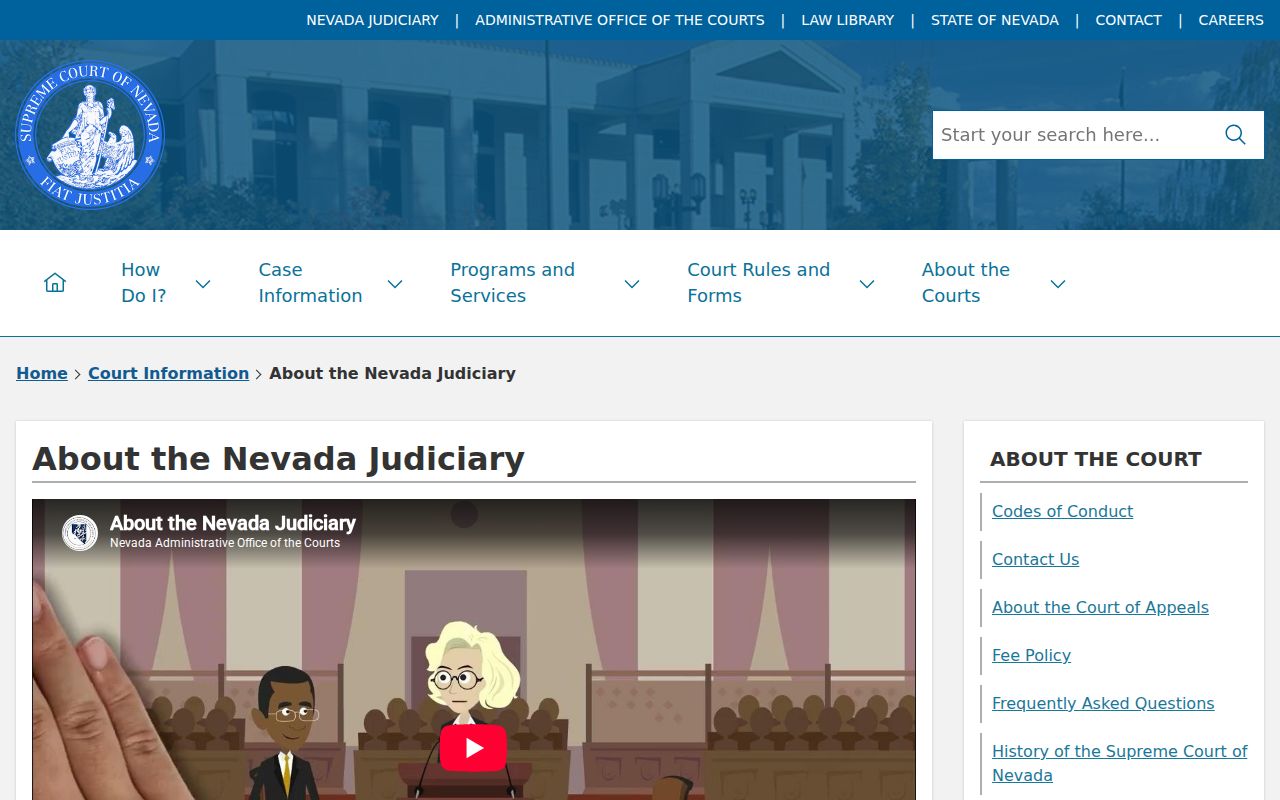
A hierarchy chart can flag the court level in Lander County, but it cannot confirm a personal warrant.
Lander County Arrest Warrant Officers
A Lander County warrant can be served by the Sheriff, another authorized peace officer, a constable, a marshal, or a partner agency. Federal and out-of-state warrants run on separate systems. If a hold shows up with no Lander County case number, ask where it belongs. It may tie to another Nevada county, parole or probation, federal authorities, or another state. For routing, call Sheriff administration at (775) 635-1100, dispatch at (775) 635-5161, or detentions at (775) 635-1489. No phone number recalls or quashes a warrant. Only the court can do that. The Austin sub-station at (775) 964-2661 is a separate southern-county law-enforcement contact. Use the court named on your citation for case action.
Arrest Warrant vs Summons vs Bench Warrant
These terms mark different origins. A summons just asks you to appear, without immediate arrest authority. An arrest warrant follows a probable-cause decision, while a Lander County bench or FTA warrant follows a missed appearance or a compliance problem.
| Process | Starting event | First confirmation |
|---|---|---|
| Summons | Complaint or qualifying citation with an appearance order | Issuing court and response date |
| Arrest warrant | Probable cause and signed judicial process | Issuing magistrate or court |
| Bench or FTA warrant | Missed appearance, court violation, or post-conviction matter | Court docket and required remedy |
Ask which document controls before choosing payment, counsel, appearance, or surrender.
Lander County Arrest Warrant Access
To request an arrest warrant file from Lander County, name the case and ask for the warrant and its return as separate items. Some pieces may not come out. A supporting affidavit, sealed indictment, or investigative attachment can be withheld even where the docket event itself stays open. Juvenile files sit apart. NRS 62H.025 makes juvenile justice information confidential. Sealing rules govern those records too. A blank result on a public search does not mean a sealed or protected process is absent. When a Lander County office denies a record as confidential, NRS 239.010 requires that office to cite the legal authority for the denial. The full text sits in NRS Chapter 62H, the statute that sets out juvenile confidentiality.
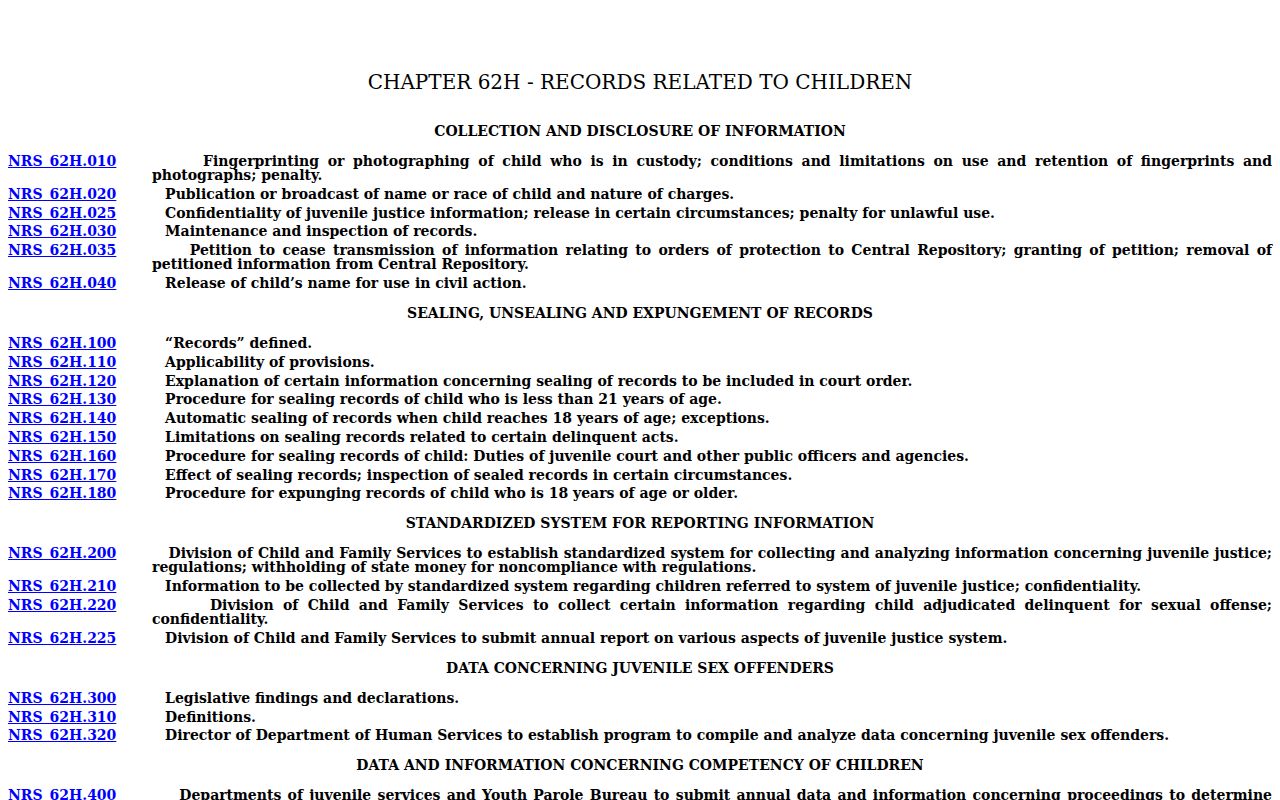
Protected material should be described by rule, not reproduced.
Lander County Arrest Warrant Steps
Phone the issuing court to check on a Lander County warrant. Have the legal name, date of birth, and case number ready. Ask if counsel can arrange an appearance, whether a planned surrender is an option, and whether bond has been set. The county publishes no set surrender window and no bond schedule, so the clerk is the office that confirms any update.
Before appearing: Confirm the issuing court and detention instructions by phone. A web result does not supply a safe-surrender time.
If custody looks likely, county detention staff can walk you through intake and bond logistics. Release terms and the case itself stay with the court. A federal or agency hold can outlast anything the Lander County court does.
Request the Warrant and Return Separately
Nevada's Public Records Act lets you ask, case by case, for the warrant, its return of service, any recall or quash order, and the matching docket entry. A focused Lander County request works best. Name the court, case, or citation number, plus a date range, your contact details, and whether you want to inspect or copy. The Lander Sheriff's Public Records page is the local starting point for law-enforcement records. The Nevada Public Records Act supplies the access framework behind it. If a full attachment is withheld, request the segregable nonconfidential portion. One caution before you travel in Lander County: the District Court clerk listing and the Battle Mountain courtroom listing use different locations, so confirm the filing destination first.